



The purpose of red project is to talk about Menstrual hygiene with students of school. And endeavours to promote Menstrual hygiene awareness among students .
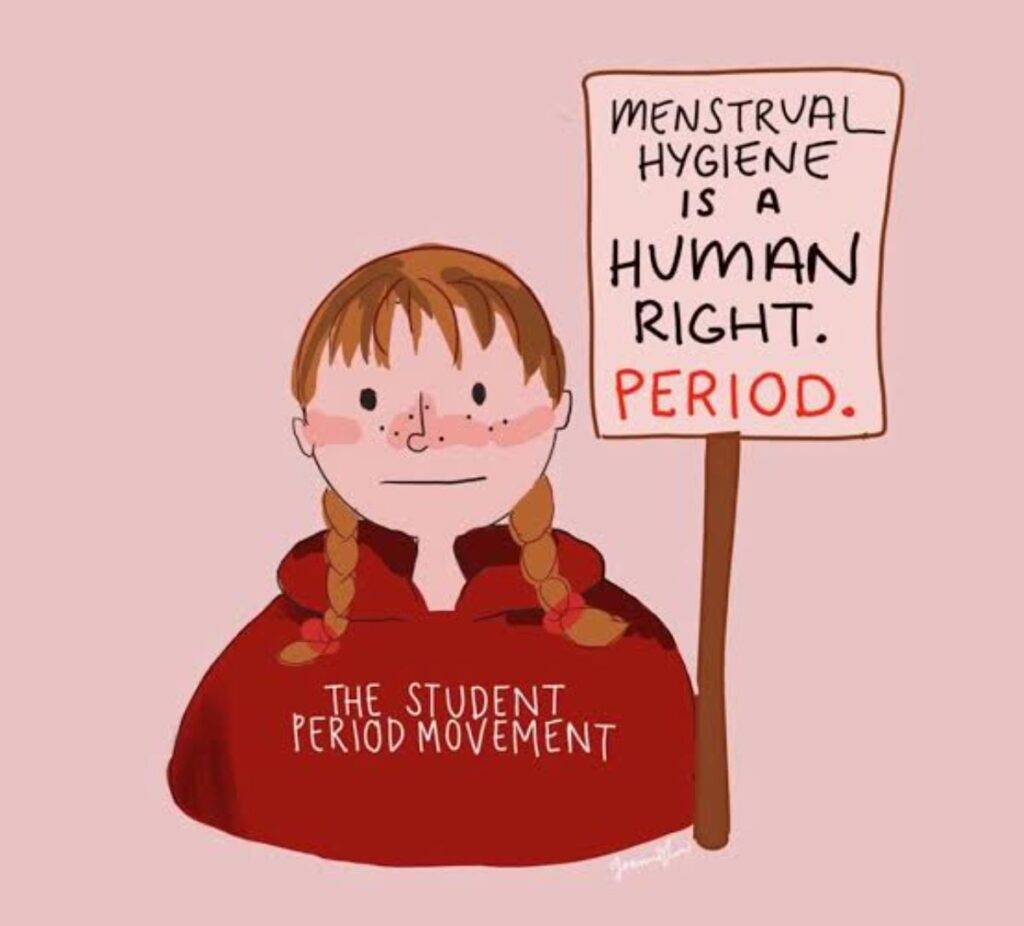
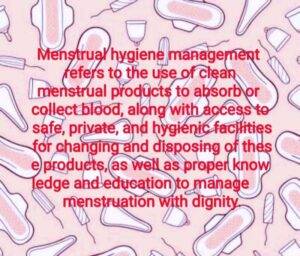
Problems that addressed in this project are-
• Culture taboos or restrictions -there is stigma around menstruation that make adolescent feel ashamed .
•Lack of awareness – people are unaware of unprepared mentally for menstruation .
•Lack of basic services and affordability .
We tell girls about menstrual hygiene as it is ensure girls not only informed about biological changes in their bodies but also equipped with knowledge and resources to manage menstruation safely and confidently. It creates awareness among adolescents girls regarding obtaining or recieving Pads free of costs or at minimal charges by government in ANGANWADI monthly.
We tell boys about Menstrual hygiene,as it is important for them to know about this also , So that they help all women near them whether it is mother,wife, daughter,sister or any other girls near them
Educating both girls and boys about menstruation fosters an environment of respect, empathy, and support.
•It normalizes menstruation as a biological process, reducing stigma.
•Prevents bullying or teasing in school
•Encourages future supportive partners, fathers, and policymakers.
•Srengthens gender-inclusive public health education.
Menstrual Hygiene Important because :
1. Health & Infection Prevention: Poor menstrual hygiene can cause infections like UTIs or reproductive tract infections.
2. Comfort & Dignity: Proper care makes menstruating people feel more comfortable and confident.
3. School & Work Attendance: Good hygiene helps girls and women stay active, go to school, or work during periods.
4. Breaks Taboos: Open conversations reduce shame and myths around menstruation
Roleplay and games are also added in our session that help children to understand in depth. We also show them short film which make them more emotionally attached with this topic.
Talk About It in Posts and Public spaces because -:
Awareness leads to change. Breaks silence and shame.
Educates people everywhere—urban or rural, young or old.
Encourages policy changes for free pads, better toilets, and healthcare
CONCLUSION: Menstruation is not a choice , but managing it with dignity should be .
By ensuring education, access, and compassion, we don’t just improve health outcomes — we transform lives.We help girls stay in school, women stay at work, and communities grow stronger, more inclusive, and more just.
Let us commit — not only to speak — but to act, to educate, and to build a future where no one is left behind simply because they bleed.Because dignity should never be negotiable. And menstrual hygiene must never be overlooked.
Team members – Laxita, Priyanka, Nipun
Summary of the Red Project –
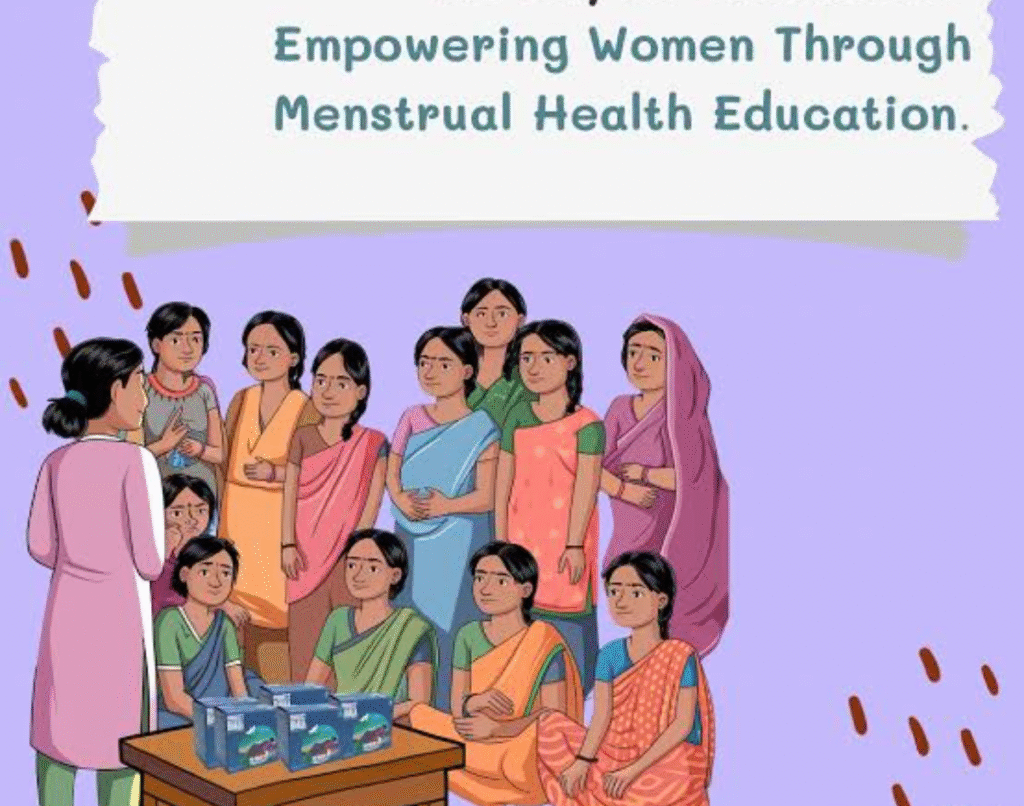
It is a powerful awareness and advocacy initiative aimed at addressing critical issues related to menstruation, reproductive health, and hygiene—especially in underserved communities. Rooted in the mission to break taboos and eliminate the stigma surrounding menstruation, The Red Project promotes education, access to sanitary products, and empowerment for menstruators across all age groups.One of the core objectives of the project is to spread factual knowledge about menstrual health, helping people—especially young girls—understand their bodies and cycles without shame.
Workshops, interactive sessions, and awareness campaigns are conducted in schools, colleges, and rural areas, where menstruation is often treated as a taboo subject. The initiative also includes the distribution of eco-friendly sanitary pads, advocating for sustainable menstrual hygiene practices.Beyond education, The Red Project emphasizes equality, dignity, and the right to basic health. It works toward policy change, increased accessibility to menstrual products, and creating safe, stigma-free environments. Volunteers, healthcare workers, and educators are trained under the project to ensure a wide and inclusive reach.
By combining education with advocacy, and compassion with action, The Red Project has touched the lives of thousands, building a movement that promotes confidence, health, and pride among menstruators. It is not just a campaign—it’s a step toward social transformation, where the color red is no longer a symbol of shame, but of strength, resilience, and change.—If you meant a different “Red Project” (e.g., HIV awareness, environmental campaign, or a tech initiative), just let me know and I’ll revise it accordingly.
NESTThank you for reading my article on the topic Red project.
SEO optimised by @tanisha