

HOBBIES -: “Why Do We Leave Behind the Hobbies That Once Made Us Happy?”
A hobby is an activity that people do in their free time for fun, relaxation, and personal enjoyment. It is something you choose to do, not because you have to, but because you love doing it.
Hobbies are not about earning money or completing duties.
✅ Key Features of a Hobby
1. Done for pleasure, not pressure.
2. Helps in creativity and skill-building.
3. Provides relaxation and stress relief.
4. Can be individual (like writing, sketching) or social (like team sports, book clubs
🌱 Importance of Hobbies
1. Stress Relief and Relaxation
Hobbies give the mind a break from daily work and studies.
Activities like painting, gardening, or music act as therapy and reduce anxiety.
2. Skill Development
Many hobbies help us learn new abilities.
Reading improves vocabulary, writing enhances expression, and sports build teamwork and discipline.
3. Boosts Creativity and Imagination
Creative hobbies such as art, music, or crafting encourage innovative thinking.
They make the mind more flexible and open to new ideas.
4. Improves Mental and Physical Health
Physical hobbies like cycling, swimming, or dancing keep the body fit.
Intellectual hobbies like chess or puzzles keep the brain sharp.
5. Builds Confidence and Self-Expression
Hobbies allow people to express themselves freely.
Completing small achievements in hobbies builds confidence.
6. Balance in Life
Work and study are necessary, but hobbies bring joy.
They maintain a healthy balance between responsibility and personal happiness.
7. Social Connection
Group hobbies like sports, book clubs, or volunteering help people meet new friends and build strong relationships.
8. Career Opportunities
Sometimes hobbies turn into careers (e.g., photography, cooking, music).
Even if not, they add value to personality, which employers admire.
🎨 Types of Hobbies .
1. Creative Hobbies
These hobbies involve imagination, innovation, and self-expression.
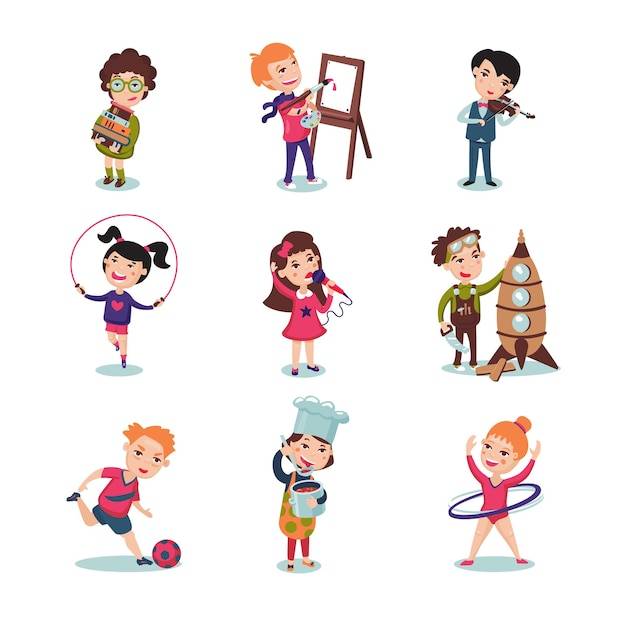
Examples: painting, drawing, writing stories or poetry, music, dance, photography, handicrafts.
Benefits: Improve creativity, concentration, patience, and emotional expression. They help people reduce stress and find joy in creating something new.
2. Physical Hobbies
These are active hobbies that engage the body and keep it fit.
Examples: sports, swimming, cycling, yoga, hiking, running, martial arts, dancing.
Benefits: Improve fitness, stamina, and overall health. They also build teamwork, discipline, and confidence.
3. Intellectual Hobbies
These hobbies sharpen the brain and involve mental activity.
Examples: reading, chess, solving puzzles, learning languages, coding, research, debating.
Benefits: Improve memory, problem-solving, focus, and knowledge. They are especially helpful for students and professionals.
4. Collecting Hobbies
Involves gathering and organizing things of interest.
Examples: stamp collecting, coin collecting, collecting books, antiques, postcards, toys.
Benefits: Develops patience, observation skills, organization, and historical knowledge. Collectors also feel pride and joy in their unique collections
5. Social Hobbies
Activities done with people that encourage interaction and bonding.
Examples: volunteering, traveling in groups, participating in clubs, cultural activities, social service.
Benefits: Improve communication, teamwork, empathy, and help build strong social networks.
6. Outdoor/Nature Hobbies
Activities connected to nature and the environment.
Examples: gardening, birdwatching, fishing, trekking, camping, nature photography.
Benefits: Create relaxation, connect people with nature, and improve mental well-being by reducing stress.
7. Digital/Modern Hobbies
With technology, new types of hobbies have emerged.
Examples: blogging, vlogging, gaming, graphic designing, social media content creation, digital art.
Benefits: Improve technical skills, creativity, and sometimes even become careers (like YouTubers, designers, gamers).
🕰️ Why People Leave Their Hobbies
1. Lack of Time
Busy schedules with studies, jobs, and family responsibilities leave little room for hobbies.
People often feel hobbies are “extra” and not a priority.
2. Change in Priorities
As people grow, their focus shifts toward career, money, or family.
Childhood hobbies like painting or cycling often get replaced by professional or personal duties.
3. Stress and Pressure
Turning hobbies into goals (e.g., trying to earn from them) creates pressure.
Once a source of joy, hobbies may start to feel like “work,” leading people to stop.
4. Loss of Interest
Some hobbies feel exciting at first, but over time, people get bored or distracted by other activities.
5. Influence of Technology
Instead of spending time on hobbies like reading or gardening, people often spend free time on phones, social media, or TV.
6. Lack of Resources
Certain hobbies need money, space, or equipment (photography, traveling, music instruments). Without resources, people give up.
7. Comparison and Perfectionism
Seeing others excel (on social media or in real life) makes some people feel “not good enough,” so they quit.
8. Health or Lifestyle Changes
Physical issues, stress, or aging sometimes stop people from continuing hobbies like sports or dancing.
Want the headings to be the same color or a different font size? I can tweak it to your theme.
People leave hobbies because life responsibilities, pressure, and distractions take priority. But hobbies are not “just for fun”—they are vital for mental peace, creativity, and personal growth. Giving up hobbies may make life feel mechanical, while continuing them keeps life balanced and joyful.
🌱 Why It Is Important to Give Time to Hobbies-
1. Mental Relaxation
Hobbies act as a stress-buster. After a long day of work or study, spending even 15–20 minutes on a hobby refreshes the mind.
2. Improves Creativity
Activities like painting, music, writing, or gardening spark imagination and help in problem-solving.
3. Better Work–Life Balance
Work and studies are necessary, but only hobbies add joy and color to life. They create balance between responsibility and personal happiness.
4. Skill Development
Hobbies often teach patience, discipline, and new talents. For example, reading improves knowledge, sports improve fitness, and cooking improves creativity.
5. Emotional Well-being
Hobbies reduce loneliness, bring inner peace, and give a sense of achievement when you create or complete something.
6. Healthy Lifestyle
Physical hobbies like yoga, cycling, or sports improve health, while mindful hobbies like meditation or journaling reduce anxiety.
7. Social Connection
Some hobbies (sports, clubs, volunteering) bring people together and help in making new friends.
HOBBIES MANAGEMENT
1. Prioritize Hobbies Like Self-Care
Treat hobbies as important as work, exercise, or study.
Even 15–20 minutes a day can make a big difference.
2. Plan and Schedule
Fix a specific time for hobbies in your daily or weekly routine.
For example: reading before bed, painting on weekends, or a morning walk.
3. Start Small
You don’t need hours. Begin with short sessions (10–15 minutes) and slowly increase.
Consistency matters more than long gaps.
4. Limit Screen Time
Reduce time spent on social media, TV, or unnecessary browsing.
Replace that time with your hobby—it’s healthier and more fulfilling.
5. Mix Hobbies with Daily Life
Listen to music while cooking, doodle during breaks, do gardening with family.
This way, hobbies don’t feel like “extra work.”
6. Join Groups or Clubs
Being part of a community (book clubs, sports teams, art groups) keeps you motivated.
It also makes hobbies social and enjoyable.
7. Keep It Pressure-Free
Enjoy hobbies for fun, not perfection or competition.
Remember: hobbies are for relaxation, not stress.
8. Use Weekends and Holidays
Spare extra time on weekends for hobbies that need longer attention (traveling, photography, painting).
“A life without hobbies is like a sky without stars—work shines, but joy is missing “
https://www.merriam-webster.com/dictionary/Hobby