

It is a one type of NEST PROJECT which is done by SMS college students.
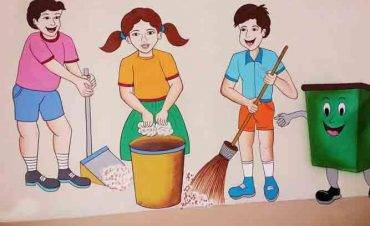
A cleanliness drive is a collective activity aimed at improving hygiene, sanitation, and environmental conditions in a specific place. It is often carried out in schools, colleges, offices, villages, cities, and public spaces. These drives are usually conducted by local authorities, NGOs, educational institutions, or volunteer groups.
OBJECTIVES:
1.Health & Hygiene Improvement
To reduce chances of infections like dengue, malaria, cholera, etc.
To promote personal hygiene practices such as hand washing and proper waste disposal.
- Environmental Protection
To reduce land, water, and air pollution by managing waste properly.
To encourage tree plantation, plastic reduction, and eco-friendly habits.
- Awareness Creation
To educate people about the importance of cleanliness in homes, schools, workplaces, and public areas.
To spread awareness about the harmful effects of littering and pollution.
- Community Involvement
To bring people together and develop teamwork in solving common issues.
To encourage individuals to take responsibility for their surroundings.
- Beautification of Areas
To make streets, schools, parks, and neighborhoods neat, attractive, and welcoming.
To promote a sense of pride in one’s environment.
- Waste Management
To promote segregation of waste into biodegradable and non-biodegradable.
To reduce, reuse, and recycle waste materials effectively.
- Moral and Social Development
To develop values of discipline, responsibility, and orderliness in society.
To instill respect for public property and common spaces.
- Support to Government Initiatives
To strengthen national cleanliness campaigns like Swachh Bharat Abhiyan.
To contribute towards Sustainable Development Goals (SDGs) like “Clean Water and Sanitation.”
- Educational Purpose
In schools/colleges, drives aim to teach students the practical importance of hygiene.
To create young ambassadors of cleanliness who inspire others.
- Long-Term Habit Formation
To ensure people don’t just clean during drives but make cleanliness a daily lifestyle practice.
🌍 Why Cleanliness Drives are Needed-:
1.Control of Diseases and Epidemics
Accumulated garbage, open drains, and stagnant water become breeding grounds for mosquitoes, flies, and germs.
Drives help remove these sources, thus preventing outbreaks of malaria, dengue, and other epidemics.
- Improving Public Health
Clean environments mean cleaner air, water, and food, reducing hospital visits and medical costs.
Healthy citizens are more productive, contributing to a stronger nation.
- Awareness and Education
Drives are not just about cleaning but also teaching people how to keep their surroundings clean.
They help change careless attitudes like littering, spitting in public, or improper waste disposal.
- Environmental Conservation
Drives reduce pollution caused by plastic waste, chemicals, and garbage dumping.
They encourage tree plantation and eco-friendly practices, protecting biodiversity.
- Social and Moral Development
Cleanliness is a social responsibility. Such drives build unity, discipline, and cooperation.
They teach respect for public spaces and shared resources.
- Economic Benefits
Clean cities attract tourists and investors, boosting the economy.
Better waste management saves money for municipalities and reduces landfill use.
- Support to Government and Global Goals
National campaigns like Swachh Bharat Abhiyan or global goals like the UN’s Sustainable Development Goal 6 (Clean Water and Sanitation) are achieved faster when citizens participate.
- Long-Term Lifestyle Change
Drives create awareness that cleanliness is not a one-day task but a daily habit.
Children and youth learn lifelong values of hygiene and discipline.
- Beautification and Pride
A clean school, colony, or city looks beautiful and gives citizens a sense of pride.
Clean environments improve mental well-being by reducing stress and spreading positivity.
- Global Importance
In the age of climate change and rising pollution, drives are necessary for sustainability.
They connect local action to global responsibility.
Planning and Preparation -:
– They identified high -need cleanliness zones like galtaji in Jaipur.
– Procured cleaning materials (garbage bags,gloves,masks).
– Formed a team to do efficiently.
RESOURCES USED-
Manpower :Team SMS
Materials : Garbage bags,gloves,masks,hand sanitizer
Transport : transportation to that area by public transport
Budget : not exactly calculated
OUTCOMES and ACHIEVEMENTS
Total 10 – 12 bags of garbage sum of different places with proper disposal with public awareness.
Positive feedback received from community members.
🌟 Expanded Benefits of Cleanliness Drives
🏥 1. Health and Hygiene Benefits:
Prevents the spread of communicable diseases like cholera, malaria, dengue, and diarrhea.Reduces chances of respiratory problems caused by dust and garbage.Promotes personal hygiene awareness (handwashing, safe food handling).Creates a healthier environment that boosts immunity and well-being.-
🌳 2. Environmental Benefits:
Proper waste disposal reduces soil and water contamination.Plantation drives improve air quality and reduce carbon emissions.Encourages reduction in plastic usage and promotes eco-friendly habits.Helps preserve biodiversity by protecting natural habitats from waste.
👥 3. Social Benefits:
Promotes community cooperation and teamwork.Builds discipline, responsibility, and civic sense in people.Strengthens unity across different age groups, backgrounds, and cultures.Creates role models (especially among students) who inspire others to follow cleanliness.
📚 4. Educational Benefits:
Provides practical experience of social responsibility to students.Makes learning about hygiene, environment, and sustainability more interactive.Encourages youth to become ambassadors of cleanliness in society.Builds character, discipline, and lifelong good habits.
💰 5. Economic Benefits :
Reduces government spending on cleaning, healthcare, and waste management.Clean surroundings increase property value and attract businesses.Boosts tourism since visitors prefer neat and hygienic places.Creates green job opportunities in recycling, composting, and waste management.
🌈 6. Aesthetic and Mental Benefits:
Clean spaces look beautiful, fresh, and welcoming.Improves mental health by reducing stress and negativity.Increases productivity in schools, offices, and communities.Develops a sense of pride and belonging among residents.
🌍 7. Support to National & Global Goals:
Helps achieve Swachh Bharat Abhiyan (India) and similar campaigns worldwide.Contributes to UN’s Sustainable Development Goals (SDG 3 – Good Health, SDG 6 – Clean Water & Sanitation, SDG 11 – Sustainable Cities).Enhances global reputation of communities and countries that maintain cleanliness.
🧹 Activities in a Cleanliness Drive-
🗑️ 1. Cleaning and Waste Removal
Sweeping roads, streets, classrooms, playgrounds, and parks.
Collecting garbage and disposing it properly.
Removing stagnant water to prevent mosquito breeding.
🔄 2. Waste Management Activities
Segregating waste into biodegradable and non-biodegradable.
Promoting Reduce, Reuse, Recycle practices.
Setting up dustbins in public places.
Making compost pits for organic waste.
🌳 3. Environmental Activities
Tree plantation and watering plants.
Cleaning rivers, ponds, or nearby water bodies.
Reducing plastic use by promoting cloth/jute bags.
Creating posters/slogans on “Say No to Plastic.”
🏫 4. Awareness & Educational Activities
Organizing rallies, marches, or nukkad nataks (street plays).
Painting walls with cleanliness slogans.
Holding quiz competitions, debates, or speeches on hygiene.
Educating people about personal hygiene (handwashing, sanitation).
👥 5. Community Participation Activities
Encouraging local residents to join the drive.
Conducting door-to-door campaigns about waste segregation.
Forming cleanliness clubs in schools, colleges, and societies.
🎨 6. Creative & Motivational Activities
Designing posters, charts, and banners on cleanliness.
Writing essays, poems, or slogans on hygiene.
Organizing “Best Out of Waste” competitions.
Honoring volunteers who actively participate in drives.
🏛️ 7. Institutional/Official Activities
Schools: cleaning classrooms, libraries, canteens, and playgrounds.
Offices: cleaning workspaces, gardens, and surroundings.
Local bodies: fumigation, sanitization, and installing dustbins.
Participating in a cleanliness drive is a simple way to contribute to your community and support initiatives like Swachh Bharat Abhiyan, which aim to keep India clean and healthy.