

💡 Why REVIVE AND THRIVE Matters for Medical Students
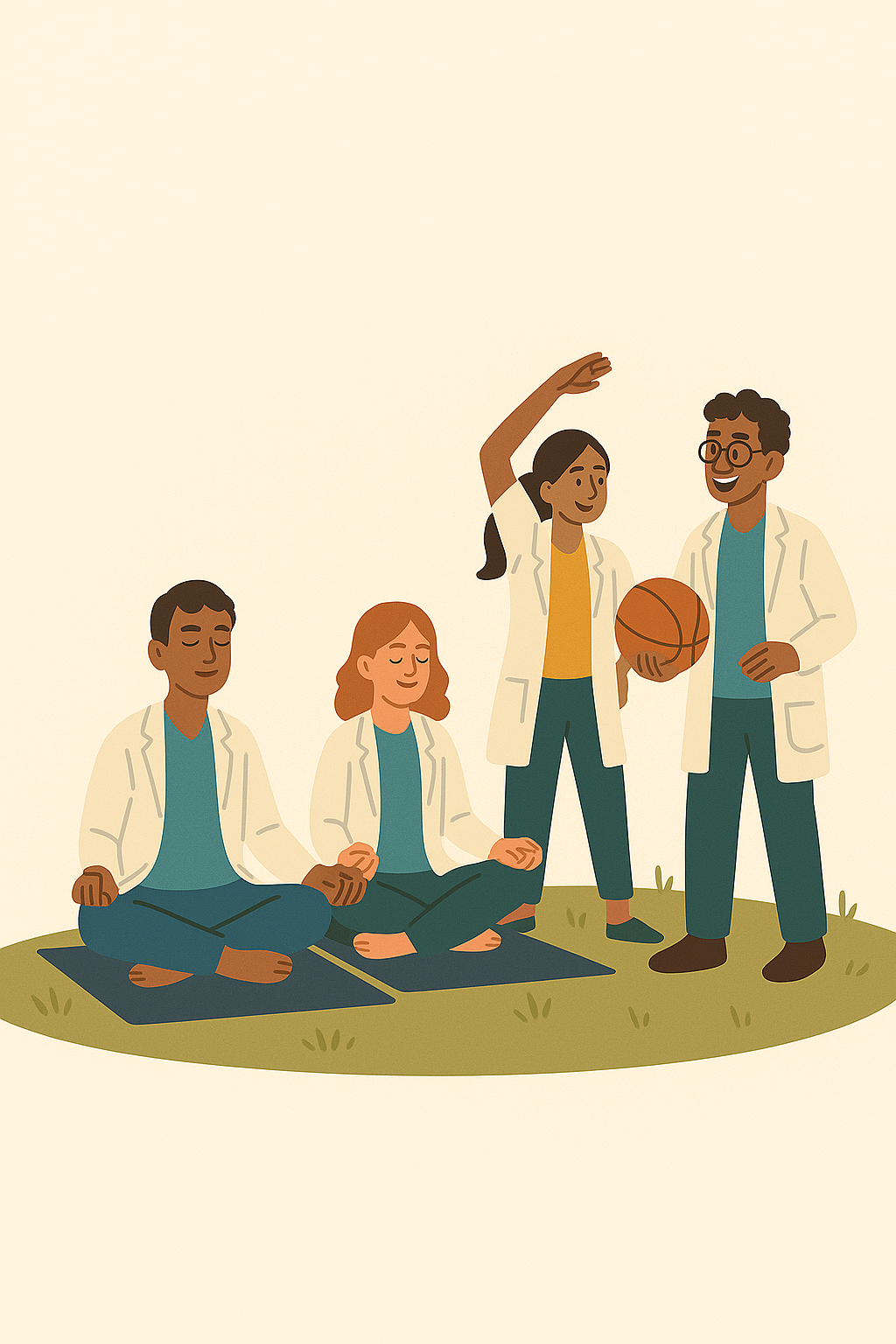
Medical Students often face overwhelming academic pressure, which can impact both focus and motivation. REVIVE AND THRIVE was created as a positive outlet — combining creativity, rest, and peer connection. For many Medical Students, it was a chance to recharge and reconnect with their purpose.
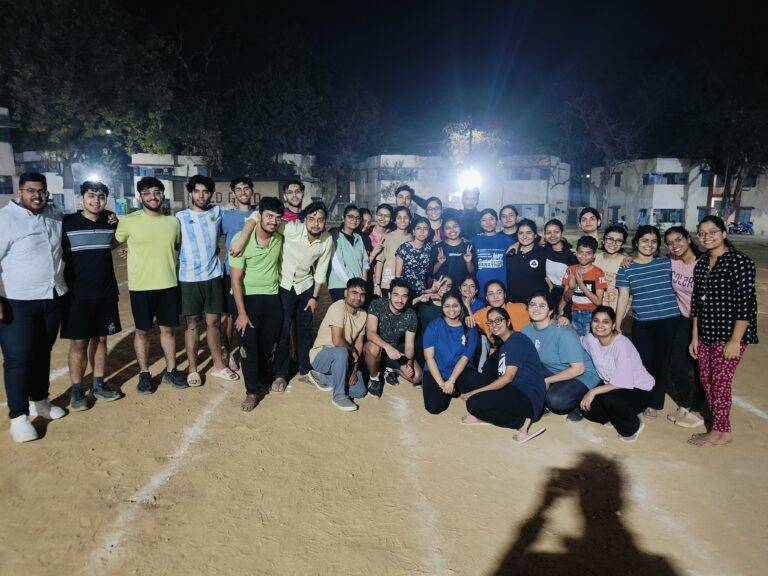
Organized by Manipal Tata Medical College, Jamshedpur, this initiative brought together students, faculty, and mentors to encourage active participation and meaningful connection.
Overview
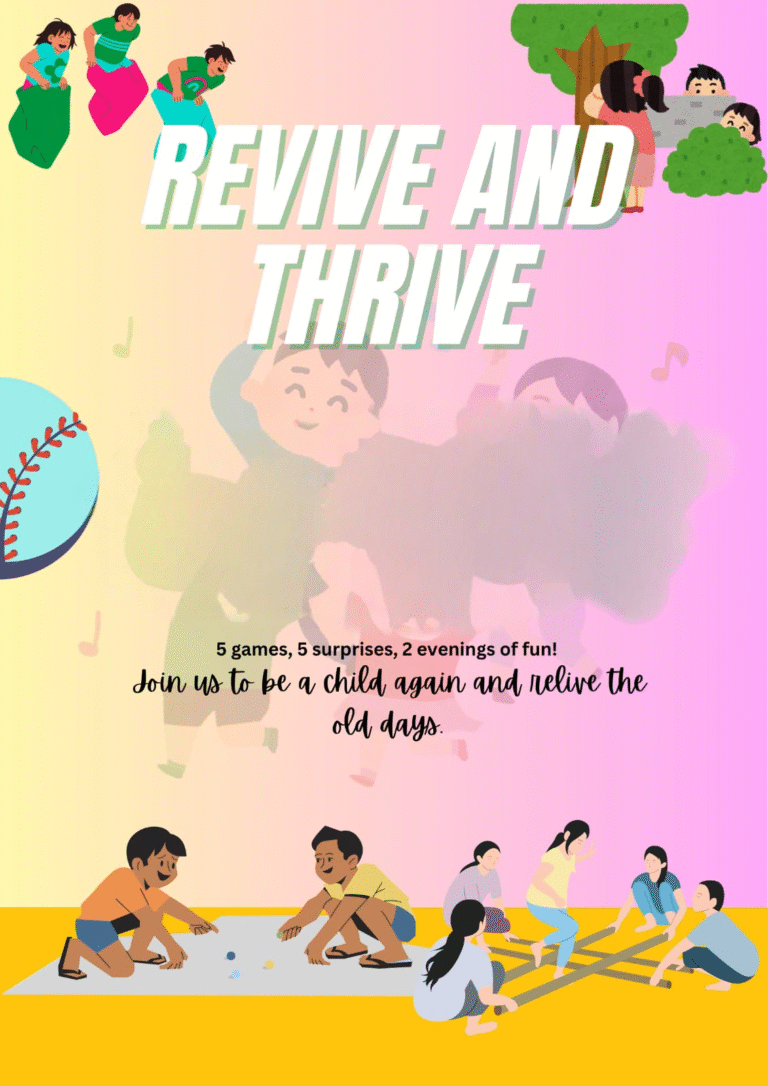
REVIVE AND THRIVE was a wellness initiative organized for undergraduate MBBS students to rediscover the importance of physical activity through fun and interactive games. With increasing academic pressure, medical students often face high levels of stress and reduced social interaction. This event was a conscious effort to break the monotony, promote student wellness, and bring back the joy of childhood play.
The Need for REVIVE AND THRIVE
The intense curriculum and competitive nature of medical education often lead to chronic stress, burnout, and poor lifestyle habits among students. Regular physical activity is proven to enhance concentration, relieve stress, and improve overall health. However, students rarely get opportunities to engage in enjoyable physical activities.
We addressed this gap by:
Offering a playful, low-pressure environment
Encouraging movement and laughter
Promoting peer bonding and mental rejuvenation
Activities Conducted: Rediscovering Joy Through Games
Date: 7th February, 2025
The event was divided into two key phases to ensure impact-driven engagement.
Phase 1: Childhood Games for Physical and Mental Engagement
Participants took part in a series of traditional childhood games that required physical activity, quick thinking, and teamwork. These included:
Lemon on the Spoon – Focused on balance and concentration
Ice and Water – A fast-paced chasing game for agility
Dog and Bone – A classic team-based reflex game
Relay Race – To boost stamina and cooperative play
Chain Game – Encouraging unity and group coordination
These games were selected not just for fun but for their ability to instill teamwork, boost endorphins, and remind students of the simple joys of movement.
To further emphasize healthy living, refreshments like fruits and lemonade were provided after the games. This encouraged mindful snacking and healthy post-activity recovery.
Phase 2: Impact Assessment and Participant Feedback
After the physical activities, a structured questionnaire was distributed to collect feedback and measure the impact. The evaluation focused on:
Experience & Enjoyment: Did the event provide a refreshing break?
Mood & Stress Changes: Was there a noticeable shift in mood or reduced anxiety?
Behavioral Intent: Would students be more likely to include physical activity in their routines?
Results indicated a positive outcome, with most students reporting:
Elevated mood
Reduced stress
Renewed interest in physical activity
Enhanced social connection
This phase was essential in validating the core idea that wellness through play can be both enjoyable and transformative.
Skills Developed During Event Planning
Throughout the planning and execution, the organizing team developed several essential skills relevant to leadership and professional development:
Team Coordination: Roles were efficiently divided to ensure smooth logistics
Problem-Solving: Real-time challenges like time management, material shortages, or participant flow were tackled promptly
Communication: Volunteers and participants were engaged through clear and encouraging messaging
Time Management: All activities, including planning, execution, and feedback, were completed within a limited schedule
These skills not only contributed to the project’s success but also enhanced the leadership potential of each team member.
Long-Term Impact
.Wellness events like Revive and Thrive play a crucial role in building a sustainable student wellness culture on campus. By promoting wellness through play, these initiatives redefine what health means for medical students—not just physical fitness, but also mental relaxation, emotional connection, and social engagement.
🌟The event successfully:
Set a positive precedent for future annual wellness programs in the college
Sparked inspiration for other student-led wellness initiatives
Shifted students’ mindset about the importance of self-care, burnout prevention, and balancing academics with physical and mental health
These events are not just one-time experiences—they are stepping stones to cultivating a culture where wellness is prioritized, personalized, and playful.
Beyond immediate outcomes, such programs cultivate a ripple effect within academic environments. Students who participate often become catalysts for change, subtly shifting peer culture toward empathy, collaboration, and self-awareness. Over time, this fosters a healthier academic atmosphere where reflection and openness are normalized. Institutions, too, begin to recognize the intangible value of these efforts—evident in improved student engagement, stronger support systems, and more inclusive conversations around personal and collective growth. Such initiatives are not just events; they become embedded values that quietly shape the ethos of future cohorts.
Conclusion
The event served as a successful reminder that wellness is not limited to gym routines or structured exercise. By reviving childhood games, it offered a holistic approach to well-being—blending fitness, fun, emotional relief, and social bonding.
Feedback from participants emphasized a shift in their perspective—many acknowledged the importance of taking breaks and engaging in physical play. This event has set a benchmark and opened doors for similar wellness-focused activities within the academic ecosystem.
With its innovative approach, the project redefined what it means to be “active” and demonstrated that play, even in adulthood, can be a powerful tool for health and happiness.
“As a third-year MBBS student, things often felt overwhelming — deadlines, clinical postings, constant expectations. But this experience gave me the space to pause, breathe, and actually reconnect with why I chose medicine in the first place. It was like a reset button during a time I really needed it.”
— 3rd Year MBBS Student
Team Lead
- Kirti Pareek
Team Members
Farhat Farooqui
Shalini Mishra
Rishii Kant Mishra
Mayank Shankar
Sanskar