




The Silent Struggle: The Hidden Crisis in Medical Education
“Future doctors are expected to heal the world, but who heals them?”
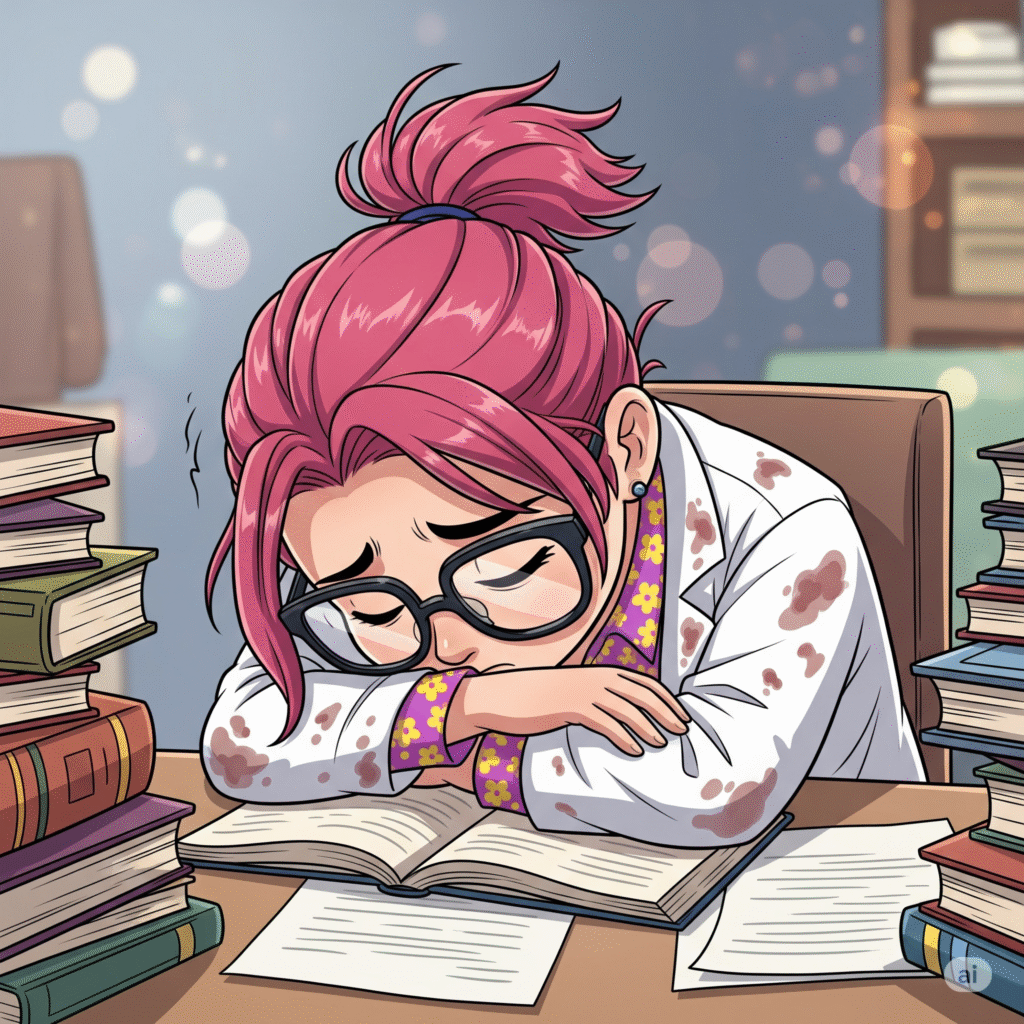
Behind the white coats and stethoscopes lies a truth often ignored—medical students are silently struggling with overwhelming mental health challenges. Pursuing MBBS, often seen as a dream career, comes at a heavy price: relentless academic pressure, sleep deprivation, emotional burnout, and a toxic culture of perfectionism.
According to studies, over 30% of medical students experience depression and one in four suffers from anxiety disorders—yet most suffer in silence. Why? Because in the medical community, mental health is still a taboo subject. The silent struggle

The irony is striking—future doctors, who will one day counsel patients about wellness, are themselves deprived of adequate psychological support during the most formative years of their careers. This disconnect creates a cycle of silent suffering, where students internalize stress instead of seeking help, fearing judgment or being labeled as weak.
The Reality of MBBS Life: More Than Just Textbooks
Becoming a doctor is a noble goal, but the journey is grueling. MBBS students face unique challenges that go beyond academics:
- Overloaded Curriculum: The vast syllabus demands continuous study, leaving little time for rest or recreation.
- Sleepless Nights: Exam preparation and clinical postings often stretch students to physical and mental limits.
- Competitive Atmosphere: Fear of failure, internal comparisons, and peer pressure breed insecurity.
- Financial and Family Pressure: For many, the burden of hefty tuition fees and parental expectations adds stress.
The result? An environment that prioritizes grades and performance over mental wellness, pushing students into an endless cycle of stress.
Common Mental Health Challenges Among MBBS Students
Depression is one of the most common mental health issues faced by MBBS students. It often develops due to academic overload, lack of social life, and constant pressure to perform. Symptoms include persistent sadness, loss of interest in activities, fatigue, and feelings of hopelessness. Left untreated, it can lead to severe consequences like self-harm or suicide.The silent struggle.

2. Anxiety Disorders
The fear of failure, competitive environment, and frequent exams trigger high levels of anxiety in medical students. This can manifest as restlessness, panic attacks, difficulty concentrating, and sleep disturbances. Continuous anxiety not only hampers academic performance but also affects overall well-being.
3. Burnout
Burnout is emotional, physical, and mental exhaustion caused by prolonged stress and overwork. MBBS students often experience burnout due to endless study hours, clinical duties, and lack of personal time. This leads to decreased motivation, detachment, and poor productivity.
4. Sleep Disorders
Irregular schedules, night duties, and last-minute exam preparation disturb students’ sleep patterns. Chronic sleep deprivation impacts memory, learning, and emotional stability, creating a vicious cycle of stress and fatigue. the silent struggle
5. Substance Abuse
Some students turn to alcohol, smoking, or drugs as a coping mechanism for stress. While it may provide temporary relief, substance abuse worsens mental health and can lead to addiction, legal issues, and academic decline. The Silent Struggle
Why Do Students Suffer in Silence?
- Stigma in Medical Culture: Students fear being labeled “weak” or “unfit to practice.”In the medical community, mental health struggles are often seen as a weakness. Students fear being judged as “unfit to practice” if they admit to anxiety, depression, or burnout. This stigma forces many to hide their struggles instead of seeking help.
- Fear of Academic Repercussions: Seeking help is often seen as a sign of incompetence. Many students worry that opening up about mental health issues could affect their grades, clinical postings, or future career opportunities. The fear of being labeled incompetent keeps them silent.
- Lack of Awareness & Resources: Many colleges lack dedicated mental health support systems. Medical colleges often focus on academic excellence while neglecting emotional well-being. With limited or no counseling services and awareness programs, students don’t know where to seek help.
Consequences of Ignoring Mental Health in MBBS
1. Decline in Academic Performance
Untreated mental health issues like depression and anxiety reduce concentration, memory, and motivation. This often results in poor grades, repeated failures, and delayed course completion.
2. Increased Dropout Rates
Some students, unable to cope with stress and emotional exhaustion, end up leaving medical school. This not only wastes years of hard work but also affects their confidence and future prospects.
3. High Risk of Suicide
Studies reveal that suicide rates among medical students are significantly higher compared to other student groups. The combination of academic pressure, stigma, and lack of support can have tragic consequences.
4. Substance Abuse and Health Problems
Ignoring stress often pushes students toward alcohol, smoking, or drugs as coping mechanisms. Over time, this leads to addiction, liver damage, and other health issues, worsening their overall well-being. The Silent Struggle
5. Poor Quality of Future Healthcare
A mentally exhausted medical student eventually becomes a doctor who struggles with empathy, decision-making, and patient care. This impacts the healthcare system and patient safety.
Why Mental Health Support is Non-Negotiable in MBBS?
Mental health support forms the foundation of a healthy and successful medical career. Medical students endure immense academic pressure, long working hours, and emotional stress, which, if left unaddressed, can lead to burnout, depression, and even suicide. Strong mental health ensures better learning, empathy, and clinical decision-making—qualities essential for safe patient care.
Providing counseling, stress management programs, and a supportive environment not only prevents dropouts the silent struggle and emotional breakdowns but also breaks the stigma around seeking help. Simply put, caring for future doctors’ mental well-being is crucial for both their success and the quality of healthcare they will deliver. The Silent Struggle

One of the biggest misconceptions in the medical field is that doctors are immune to stress, depression, or anxiety. In reality, they are humans first. Expecting students to bear extreme academic loads and emotional turmoil without proper support is unrealistic. When institutions ignore mental health, they compromise not only the well-being of students but also the future of healthcare. Medical education should recognize that a strong mind is just as critical as clinical knowledge. The Silent Struggle
Practical Solutions: Building a Mental Health-Friendly Campus
✔ Counseling Services: Every medical college should have on-campus psychologists and psychiatrists.
✔ Peer Support Programs: Students supporting students can break the stigma.
✔ Mandatory Workshops: Stress management, mindfulness, and time-management training should be part of the curriculum.
✔ Anonymous Helplines: For students hesitant to seek help publicly.
✔ Policy Change: Institutions should make mental health support as important as physical health.
Conclusion: Heal the Healers
The journey of becoming a doctor is demanding, but it should not come at the cost of mental well-being. MBBS students are the backbone of future healthcare, yet many silently battle stress, anxiety, and depression. Ignoring their mental health the silent struggle is not just harmful to them but also to the patients they will serve. Healing the healers begins with breaking the stigma, creating supportive environments, and making mental health care an integral part of medical education. A healthy doctor is a better doctor, and by prioritizing the mental well-being of medical students today, we ensure a compassionate, resilient healthcare system tomorrow. The silent struggle
Thank you for taking the time to read this article on the silent struggle and for acknowledging the importance of mental health in medical education. By spreading awareness and encouraging conversations, we can create a supportive environment where future doctors feel safe to seek help without fear or stigma. Together, let’s work toward a healthier, more compassionate healthcare community—because healing begins from within.
Written and SEO optimised by Tanisha our NEST team member.