

Table of Contents
🎧 EAR PODS: THE EVIL TRAP FOR A CONNECTED GENERATION
With the rising popularity of wireless devices, many young individuals unknowingly fall into an evil trap—excessive and unsafe ear pod usage. These compact gadgets may appear harmless, but their constant use poses serious threats to hearing health, ear hygiene, and mental focus.
This initiative was launched to expose the hidden layers of this evil trap, educating users about the long-term consequences of overuse. Through targeted outreach and social campaigns, the project emphasized safer listening habits and responsible digital behavior.
By spotlighting how easily one can fall into this evil trap, we aim to protect the health and well-being of a generation shaped by sound.

🄿🅁🄾🄹🄴🄲🅃 🄰🄲🄲🄾🄼🄿🄻🄸🅂🄷🄼🄴🄽🅃🅂
- Awareness Session at NMO-ICSY Camp, Janak Zila: Delivered a compelling message to over 120 participants about the rising misuse of ear pods. Engaging visuals and personal stories increased understanding and concern.
- Collaboration with Medical and College Students: In partnership with RML Medical College and Atma Ram Sanatan Dharma College, our volunteers emphasized the health consequences of excessive audio device use.
- Instagram and Reels Campaign: Reels, GIFs, and posts were designed to connect with students on platforms they frequent. Engagement grew among peers from NIMS University and Shaheed Bhagat Singh College.
- Posters and Offline Advocacy: Campaign materials with the slogan “Escape the Evil Trap” were placed in public areas like libraries and cafés to spark curiosity and reflection.
- Audio Habit Survey: Our survey revealed that over 60% of students were unaware of the long-term side effects of daily, prolonged ear pod use—such as fatigue, ringing, and hearing decline.

🎧 Ear Pod Usage Awareness: Weighing the Pros and Cons
As part of our ear pod usage awareness initiative, it’s vital to evaluate how daily use affects our health and habits. Here’s a side-by-side look into the advantages and disadvantages of earbuds.
✅ Pros of Earbuds
- Lightweight and easy to carry
- Wireless convenience for multitasking
- Useful for brief phone calls or meetings
- Noise isolation in noisy environments
- Affordable options available
❌ Cons of Earbuds
- Potential for long-term hearing damage
- Increased risk of ear infections
- Reduces face-to-face communication
- Leads to discomfort during extended use
- Compromises situational awareness
- Often misused in unsafe public scenarios
While earbuds may seem like a modern convenience, their hidden drawbacks make it essential to spread ear pod usage awareness and adopt healthier listening habits.
🎧 UNDERSTANDING THE IMPACT OF EAR POD USAGE
Ear pods have transformed the way we listen to music, attend calls, and consume information on the go. Their compact design, wireless functionality, and convenience have made them a staple for people of all age groups. However, with extended usage, they also raise important questions about hearing health and behavioral patterns.
Prolonged exposure to high-volume sound can lead to hearing fatigue, sensitivity issues, or even permanent damage. Many users are unaware that even moderate levels, when sustained over time, can silently affect the auditory nerves. Additionally, wearing ear pods for long hours may restrict air circulation and trap moisture in the ears, increasing the risk of bacterial growth and infection.
On a behavioral level, reliance on personal audio devices may limit face-to-face interaction, reduce environmental awareness, and create a barrier between individuals and the world around them. These subtle changes, when unmonitored, can gradually develop into what experts refer to as an evil trap—a cycle of overuse with underestimated consequences.
Creating awareness around these issues empowers users to make more informed choices. Simple practices like volume monitoring, scheduled listening breaks, and hygienic handling of devices can go a long way in promoting safe usage. With balanced habits, we can enjoy technology without compromising well-being.
🎯 KEY OBJECTIVES
- To educate youth on ear pod usage awareness and its connection to long-term hearing issues.
- To promote regular breaks from ear pods and hygienic usage practices.
- To foster responsible tech behavior through community-based learning.
🌱 EXPECTED IMPACT
- Encourage the youth to limit daily listening duration and decibel levels.
- Support conversations about ear hygiene and auditory health.
- Push manufacturers to design safer audio accessories with health-friendly features.
- Reduce social and psychological effects linked to constant ear pod use.
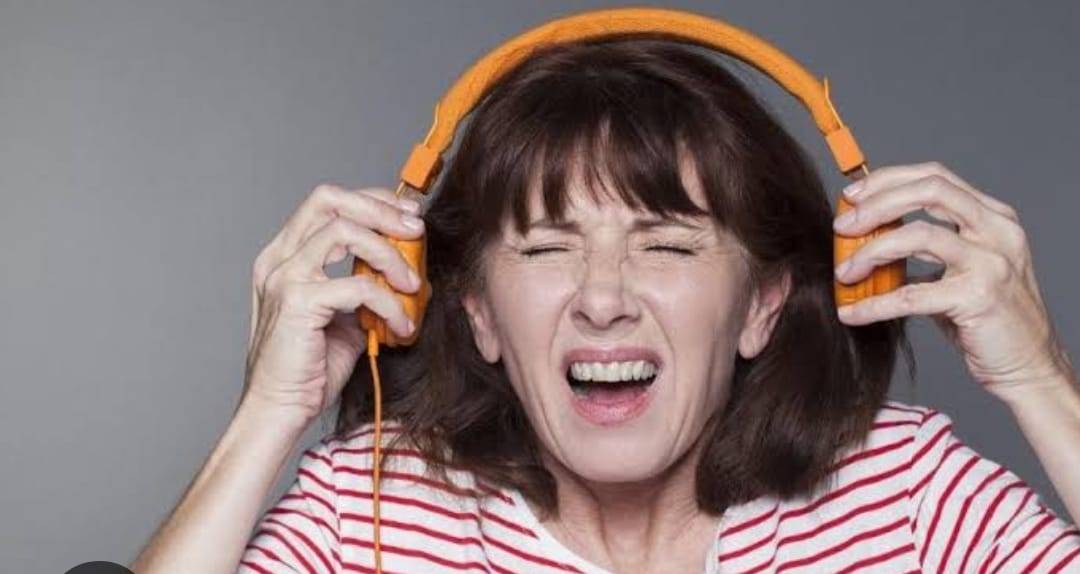
– Choose sound, but don’t silence the signals your body sends.
🤝 TEAM MEMBERS & COORDINATORS
Teacher Coordinator: Dr. Samanvaya Soni (Assistant Professor, ENT Department)
Project Leader: Rupal Goel (NIMS Medical Student)
Team Members:
- Raghav Goel: Created GIFs and short videos
- Arnav: Represented NIMS Medical College
- Aniket Karoliya: Represented RML Medical College
- Prabhat Banerji: Represented ARSD College
- Harsh: Represented Shaheed Bhagat Singh College, Delhi
📌 CONCLUSION: SMALL CHANGES, LOUDER IMPACT
This ear pod usage awareness initiative successfully opened dialogue about an everyday behavior that has gone unchecked for too long. From hygiene lapses to hearing loss, the effects are real and rising.
Through collaborative outreach, media engagement, and expert support, we’ve taken the first step. But this is just the beginning. Let us continue to encourage youth to unplug, listen responsibly, and value their well-being over passive convenience.
Final Reflections: Listening Responsibly in a Noisy World
In a time where constant connectivity is considered essential, our listening habits often go unchecked. The convenience of ear pods must be balanced with caution, awareness, and responsibility. While they offer unmatched flexibility, using them without restraint can gradually disconnect us from both our surroundings and our well-being.
Encouraging a mindful approach to audio consumption is not just about preventing hearing issues—it’s about preserving the quality of everyday life. Regular breaks, volume regulation, and hygienic use are small yet powerful habits that can protect users from long-term harm. As individuals, the choice to adopt these habits lies with us.
Technology should enhance life, not diminish it. Let this be a reminder to pause, reassess, and make choices that safeguard both mental and physical health—one ear at a time.
🌟 Did You Like This Post?
If this initiative on the evil trap of ear pod overuse sparked your interest, you'll love exploring more of our impactful NEST-led projects. We've taken on crucial social topics and created ripple effects through youth awareness and outreach.
👀 Check this out too:
🔗 View LinkedIn Post
🌟 Did You Like This Post?
If this initiative on the evil trap of ear pod overuse sparked your interest, you'll love exploring more of our impactful NEST-led projects. We've taken on crucial social topics and created ripple effects through youth awareness and outreach.
👀 Check this out too:
🔗 View LinkedIn Postseo optimised by @Farhat Farooqui