


📘 Unlocking Success in Medical Learning: The Power of Study Habits Workshop
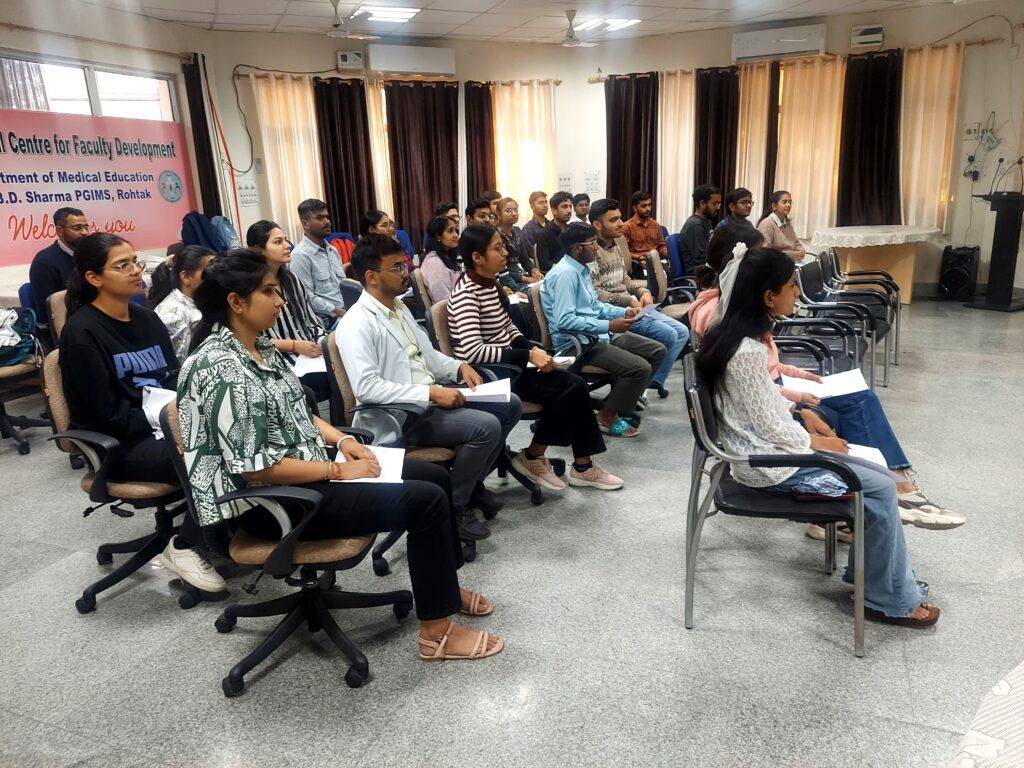
Held on 25 February 2025, PGIMS Rohtak – Check LinkdIn Post here
Study habits form the foundation of successful medical education. This workshop helped students overcome overwhelm and realign with smart strategies.
📌 The Need for Effective Study Habits
Medical education brings an avalanche of syllabus, tight schedules, and pressure. Often, students focus on “what to study” but rarely on “how to study.” Poor time management, difficulty retaining content, and digital distractions affect many learners. Surveys confirm students crave structured learning support.
Many admitted struggling with retention, focus, and planning, asking for more practical learning interventions.
🧠 Workshop Overview
The “Power of Study Habits” workshop broke the mold of passive lectures. Through live demos, expert talks (including Avi Mittal), and activity-based learning, students actively experimented with proven study hacks.
- 🕐 Time management tools like Pomodoro technique
- 🧩 Memory tricks using mnemonics & spaced repetition
- 🚫 Focus strategies like distraction-blocking apps & rituals
Shift from rote learning to smart learning using active recall and environment engineering (“your nest”).
📚 Key Learnings & Strategies
Students walked away with tangible, repeatable strategies they could implement right away:
- ⏳ Pomodoro: 25-min focus + 5-min rest cycles
- 🧠 Flashcards + Recall: Boost long-term memory
- 📅 Spaced Repetition: Revisit old content over time
- 📵 Focus Rituals: Study-only zones and blocked apps
“It was like hitting a reset button. For the first time, I saw how to balance quantity with quality.”
– 3rd Year MBBS Student
🚀 Moving Forward: Building It Into Your Routine
Real change starts when study habits become lifestyle. Start small:
- 🎯 Set weekly achievable goals
- 📖 Use a planner or app to track time
- 🤝 Join or build a study group
- 🎧 Use background music or silence based on preference
Remember, consistency > intensity. Cultivate a mindset of growth and you’ll carry these habits beyond medical school into a lifelong practice of learning and leadership.
💡 Start Small. Stay Consistent. Win Big.
Join the NEST movement to nurture productive habits and future-ready minds in medicine. This is your journey. Begin it right.
Lead by Avi Mittal, and members are Avneet Kaur, Parth, Adil, Vivek, Bharti
Read text For more details
Medical education poses unique challenges that demand not only intellectual rigor but also effective study habits. With extensive syllabi, frequent examinations, and high expectations, medical students often find themselves under significant pressure. One prominent challenge is the sheer volume of information that must be absorbed within a constrained timeframe. This immense workload, coupled with the fast-paced nature of medical training, can lead to students feeling overwhelmed.
The traditional approach to education typically focuses on the content—the ‘what’ of learning—while often overlooking the methodologies—the ‘how’ of efficient studying. As a result, many medical students face issues related to poor time management, frequent distractions, and difficulties in retaining what they have learned. Research has shown that a lack of structured study habits can negatively impact a student’s academic performance and ultimately their medical career.
Surveys conducted among medical students highlight alarming trends: a significant proportion report struggling with time management and effective retention strategies. For instance, a substantial number of students feel that their curriculum could benefit from integrated skills training that emphasizes effective study habits. These findings illuminate the urgent need for workshops focused on providing students with practical tools and techniques that enhance their learning experience.
Workshops such as ‘The Power of Study Habits: Unlocking Success in Medical Learning’ can play a critical role in addressing these challenges. By focusing on the development of effective study strategies tailored to the complexities of medical education, students can learn to create a nest of productive habits that not only improve their academic performance but also promote their overall well-being. Consequently, establishing strong study practices early in their education can foster resilience and success in their future careers as leaders in healthcare.
Overview of the Workshop
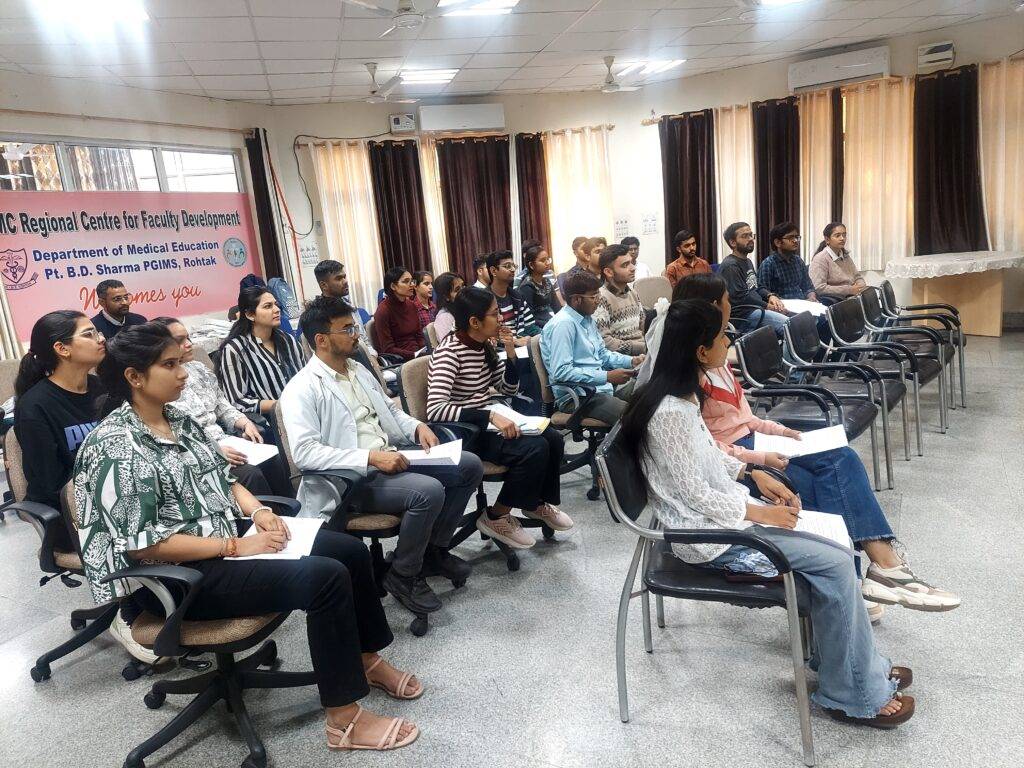
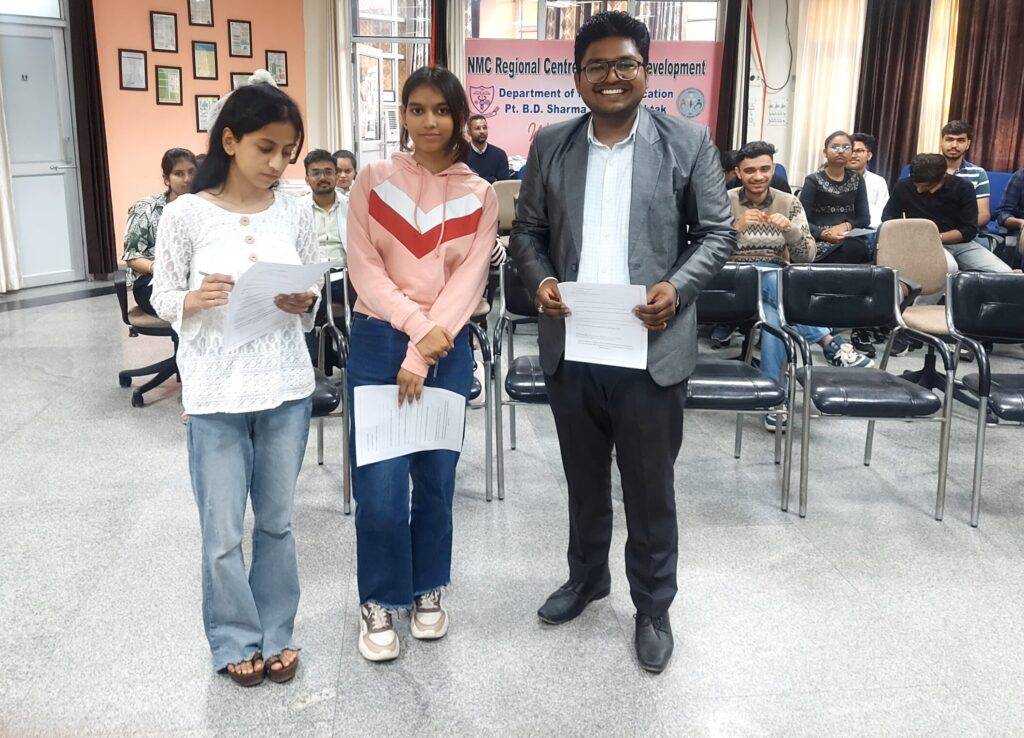
The ‘Power of Study Habits’ workshop, held on February 25, 2025, at PGIMS Rohtak, served as a transformative experience for medical students seeking to improve their academic performance through effective study habits. This workshop was distinguished by its interactive format, which diverged significantly from the conventional lecture-style approach. Instead of a one-sided presentation, participants engaged in various activities designed to foster communication, collaboration, and critical thinking.
Conducted by experts in the field, including prominent leaders in educational strategies such as Avi Mittal, the workshop provided a platform for students to explore innovative ways of studying. The focus was not merely on rote memorization but on cultivating a deeper understanding of the learning material through practical techniques. The dynamic structure of the workshop encouraged students to actively participate, share their experiences, and apply newly learned concepts immediately.
Among the key components of the workshop were time management hacks, which taught participants how to optimize their schedules and increase productivity. By incorporating real-world strategies into their study routines, students were able to identify their peak study times and allocate time accordingly. Additionally, memory techniques were introduced that utilized mnemonic devices and visual aids to reinforce information retention, making the learning process not just more effective but also more enjoyable.
Furthermore, distraction management strategies were discussed, addressing common barriers that hinder focused studying. Participants learned about creating a conducive study environment and implementing habits that minimize distractions, thereby enhancing their overall academic performance. The engaging nature of this workshop, combined with practical applications, illuminated the path for students to refine their study habits and achieve their educational goals.
Key Learnings and Strategies Discussed
The workshop on effective study habits offered a comprehensive overview of essential strategies aimed at enhancing learning outcomes for medical students. One of the primary focal points was time management, which is critical for students balancing rigorous academic requirements. By employing techniques such as the Pomodoro Technique, students can divide their study sessions into manageable intervals, facilitating focused bursts of productivity followed by regular breaks. This method not only helps in maintaining concentration but also encourages efficient time allocation, allowing learners to maximize their study potential.
Another key area addressed was memory enhancement. Active recall has emerged as a powerful strategy that prompts students to retrieve information from memory, thereby reinforcing knowledge retention. Techniques such as flashcards can be employed to transform passive reading into an interactive and engaging experience. Additionally, spaced repetition was discussed as an effective way to improve long-term retention of material. By revisiting previously learned concepts at increasing intervals, students are better equipped to retain critical information over extended periods, thus further solidifying their understanding.
To combat distractions, practical strategies were introduced, including creating a dedicated study environment—often referred to as a “nest.” This term encapsulates the idea of establishing a specific, organized space to promote focus and minimize interruptions. Furthermore, tips such as turning off phone notifications and utilizing apps designed to block distractions were shared, enabling students to cultivate better study habits in an increasingly distracting world.
With these core strategies—time management, memory enhancement, and distraction reduction—students can significantly improve their study habits. By integrating these methods into their daily routines, learners will not only boost their learning efficiency but also enhance their overall performance in the challenging field of medical education.

Taking Action: Moving Forward with Effective Study Habits
To truly benefit from the insights gained during a study habits workshop, it is essential to view the adoption of effective study strategies as a lifestyle change rather than a temporary adjustment. Establishing meaningful study habits can significantly influence your learning journey and future success in the medical field. One of the first steps students should take is to reflect on their current study practices, recognizing both strengths and areas that require improvement. By conducting this self-assessment, learners can identify specific habits that may be hindering their academic progress.
Setting realistic goals is crucial for integrating new study habits into daily routines. Instead of overwhelming yourself with lofty aspirations, consider implementing small, manageable changes that can be gradually built upon over time. For instance, if you find it challenging to stay focused during study sessions, start by dedicating just 20 minutes to concentrated learning, followed by a short break. This strategy not only enhances productivity but also fosters a more engaging study environment. Additionally, utilize tools such as planners or digital applications to keep track of your goals and monitor your progress, ensuring that you remain accountable to your commitments.
Maintaining motivation is another vital component of effective study habits. Surrounding yourself with a community of like-minded peers can lead to a more supportive atmosphere, where encouragement and collaboration thrive. When cultivating this environment, consider participating in study groups or finding study partners who share similar academic aspirations. Moreover, fostering internal motivation can often prove more sustainable than relying on external pressures. This can involve connecting your studies to your personal interests, envisioning future accomplishments, and recognizing the value of your hard work.
As students embark on their educational journey, it is essential to proactively engage with their studies. Prioritizing smart work alongside hard work will empower future leaders in medicine to flourish. Embrace the journey of continuous improvement, taking action to refine your study habits and cultivate an environment conducive to success. Your commitment today can yield significant dividends in your professional tomorrow.